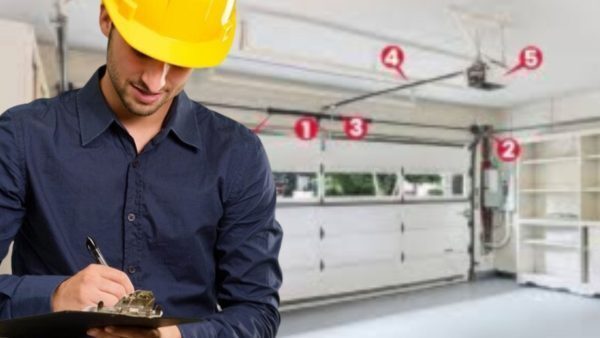
Coastal living is hard on anything made of metal, and garage doors take that hit every day. Salt air, high humidity, and storm-driven wind all work together to wear down parts that most homeowners never see. A door can still open and close, yet the springs, cables, and tracks may already be close to failure.
At The Garage Door Authority, we have worked on thousands of systems across the coast, and we see a common pattern. Small warning signs get ignored until a door jams, drops, or stops moving. That is when homeowners feel forced into a garage door replacement on a timeline they did not plan for. In this guide, we explain what coastal conditions do to garage doors, what a real inspection should cover, and how homeowners can reduce surprise repairs.
 Key Takeaways
- Coastal weather causes hidden garage door damage. Salt air, humidity, and storms accelerate wear on springs, cables, and tracks long before problems are visible.
- Regular inspections prevent safety risks and emergencies. Catching balance, sensor, and hardware issues early reduces the risk of sudden failure and injury.
- Inspections save money by guiding smarter decisions. Early evaluations help homeowners avoid rushed repairs and unnecessary replacements.
- Professional inspections provide clarity, not guesswork. Experienced technicians identify risks that DIY checks miss and help plan the right next step.
Coastal Weather Creates “Hidden Wear” That Builds Fast
Coastal Mississippi conditions cause more than just surface rust. It changes how garage doors move and how long parts last. When moisture and salt reach moving hardware, friction increases. When friction increases, the opener works harder. Over time, the whole system loses margin for error.
A key issue is that this wear often stays invisible until it becomes urgent. Springs weaken slowly, cables fray in small strands, and rollers get rough long before they snap. That is why inspections matter in coastal climates. We are not just looking for what is broken today. We are looking for what is likely to fail next.
Salt Air Speeds Up Corrosion In Critical Parts
Salt settles on hinges, tracks, spring assemblies, and fasteners. Even coated parts break down over time, especially when doors sit close to the shoreline or face prevailing winds.
During inspections, we check for rust in “stress zones,” like spring cones, bottom brackets, and roller stems. Those areas carry load, so corrosion there matters more than cosmetic discoloration.
Humidity Changes How Doors Roll And Seal
Humidity adds moisture to rollers and bearings. It also affects weather seals and bottom astragals, which can shrink, swell, or crack with repeated wet-dry cycles.
This is why we always include seal checks and alignment checks. A door that seals poorly may also be a door that is shifting off track.
Inspections Reduce Safety Risk, Not Just Repair Bills
Garage doors are heavy, spring-lifted systems. When hardware degrades, failure can be sudden. That matters because most families use the garage as a primary entry point, which means people and pets are near the door every day.
We also know garage doors are a real injury source nationwide. The Consumer Product Safety Commission (CPSC) operates NEISS, a national injury surveillance system that collects emergency department injury data from a probability sample of hospitals to produce national estimates. That is why we treat inspections as a safety measure first, and a cost-control tool second.
Balance Problems Create Dangerous Operating Behavior
If a door is not balanced, the opener compensates. That can cause “surge” movement, uneven lifting, and unexpected reversal. Those are not just annoyances. They are warning signs.
In a proper inspection, we check door balance by disconnecting the opener and testing the door’s ability to hold position. A balanced door should not drift quickly up or down.
Safety Sensors And Force Settings Must Be Verified
Sensors get knocked out of alignment, especially after storms or minor impacts. Force settings can also drift when an opener repeatedly strains against friction.
We test sensor response and reversal behavior. If a door does not reverse when it should, it becomes a risk to people, vehicles, and property.
Different Door Types Need Different Inspection Priorities
One mistake we see is treating every garage door like the same system. In coastal environments, design details matter. Sectional doors have many moving joints. Roll-up doors have compact coils and guides. Tilt-up doors rely heavily on pivot geometry and balance.
Inspections should match the door type. When they do, you get better predictions, better prevention, and fewer “mystery failures.”
Sectional Doors: Many Parts, Many Wear Points
Sectional doors have multiple hinges, rollers, and panel connections. That means more places for corrosion, grit, and moisture to increase friction.
We inspect hinge wear, roller condition, track spacing, and fastener integrity. We also listen for grinding or snapping sounds that indicate dry bearings or binding.
Roll-Up Systems: Coil Health And Guide Integrity Matter
Commercial properties and high-use garages often depend on roll-up garage door service to keep operations reliable.
In roll-up inspections, we focus on coil condition, guide wear, curtain alignment, and bottom bar stability. A roll-up door can look fine, yet the coil may be weakening under repeated cycles.
Tilt-Up Systems: Balance And Frame Alignment Are Non-Negotiable
A tilt-up garage door installation depends on correct geometry and stable framing.
If the door is even slightly out of square, it can bind, scrape, or place an uneven load on lifting hardware. In coastal zones, shifting humidity and repeated storm pressure can worsen that drift over time.
Storm Pressure Makes Garage Doors a Structural Weak Point
Storm prep is not only about shutters and roofing. Garage doors are large openings, and high wind events can put major pressure on them.
The Insurance Institute for Business & Home Safety (IBHS) also notes that garage doors and roll-up doors are often damaged in hurricanes and other high wind events due to debris impacts, pressures, weak tracks, and inadequate attachment; damage that can lead to broader building damage.
What we look for before storm season
Before peak storm months, we inspect track anchoring, fastener pull-out risk, panel stiffness, and reinforcement points. These checks help prevent the door from bowing or detaching under pressure.
We also check bottom seals and perimeter seals. Wind-driven rain can enter through gaps, and repeated water intrusion accelerates corrosion.
Wind Rating And Attachment Should Match The Exposure
Some homes benefit from pressure-rated or reinforced doors in exposed areas. Even if a homeowner does not replace the door, we can often improve track strength and attachment integrity with proper hardware corrections.
That is a practical example of how inspections protect more than the door. They protect the structure.
Inspections Help You Decide: Repair, Reinforce, or Replace
A good inspection does not end with “here’s what is broken.” It ends with clear priorities. In coastal environments, the real value is planning. Homeowners want to avoid emergency calls, surprise failures, and rushed decisions.
One reason planning matters is resale value. The 2025 Cost vs. Value Report cited by DASMA shows an average garage door replacement cost of $4,672 and an estimated resale value of $12,507, equating to 268% ROI.
When Replacement Becomes The Smarter Long-Term Call
We see homeowners consider garage door replacement in Gulfport after repeated repairs or visible corrosion in load-bearing parts.
A replacement can make sense when panel damage repeats, track hardware is compromised, or the opener is constantly compensating for a failing door.
When Reinforcement Is Enough
Sometimes the door panels are fine, but tracks, fasteners, or seals are the weak point. In those cases, reinforcement and tuning can restore performance without changing the whole system.
That is why inspection findings should be specific, not generic.
Custom Doors Can Improve Coastal Performance When Designed Correctly
Coastal homes often need more than a standard door. Wind exposure, salt air, and insulation needs vary by neighborhood, orientation, and garage use. A tailored system can address those factors directly.
A custom garage door installation can include reinforced tracks, upgraded seals, insulation packages, and materials selected for corrosion resistance.
Custom Does Not Mean “Maintenance-Free.”
A custom system still needs inspections. In fact, it needs them more because custom features only help when they remain correctly adjusted.
At The Garage Door Authority, we inspect reinforcement points, seal compression, and hardware compatibility. Small mismatches between components can cause premature wear.
Where Custom Doors Add Practical Value
Custom doors can reduce noise, improve insulation, and handle wind exposure better when properly specified. They can also improve curb appeal, which matters for resale.
The key is matching design to coastal demands, not just choosing a style.
Commercial and High-Use Properties Need More Frequent Checks
Commercial doors and high-traffic garages are a different category. Cycle count drives wear. In coastal air, cycle-driven wear accelerates corrosion-driven wear.
This is why many property managers schedule roll-up garage door services in Gulfport as preventive operations support, not just repair response.
Downtime Costs More Than The Repair
A failed commercial door can disrupt deliveries, restrict access, or create a security gap. Inspections reduce those interruptions by identifying coil fatigue, guide wear, and attachment risk early.
Higher Cycle Counts Change The Inspection Checklist
For high-cycle doors, we pay closer attention to bearing wear, guide alignment, and opener strain signals. We also document wear patterns so future inspections become more predictive.
That makes maintenance less reactive and more controlled.
What a Real Inspection Should Include in Coastal Areas
Not all inspections are equal. A real inspection is systematic. It checks safety, mechanical condition, environmental damage, and operating behavior. It also produces a clear plan.
At The Garage Door Authority, our inspections focus on preventing the problems that coastal systems develop most often.
Mechanical Checks That Predict Failure
We inspect springs, cables, rollers, hinges, tracks, drums, and fasteners. We also check the door balance and opener response.
A door that “still works” can still be unsafe. Mechanical checks reveal the gap between working and reliable.
If your door has not been inspected recently, a professional evaluation can help you prevent surprises and plan your next step with confidence.
 Why Our Perspective Is Different: Experience Meets Coastal Reality
We are not just installers. We focus on long-term reliability and real-world performance. With 20+ years of hands-on experience, we have seen what coastal conditions do to doors that were “fine” last season.
The Garage Door Authority approaches inspections as a planning tool. We explain what matters now, what can wait, and what should be watched. We also avoid pressure language because homeowners deserve clear information, not urgency.
Coastal conditions shorten the margin between “working” and “failing.” Salt air, humidity, and storm pressure accelerate wear in springs, cables, rollers, and tracks. Inspections catch those risks early, reduce safety hazards, and help homeowners plan repairs instead of reacting to emergencies.
They also support smarter long-term decisions, whether that means tuning hardware, reinforcing a vulnerable system, or upgrading at the right time for value. When homeowners understand what is happening inside the system, they avoid guesswork and costly surprises.
If you want a clear picture of your door’s condition, The Garage Door Authority can inspect it, explain findings plainly, and help you choose the most practical next step. Contact us today at tdahs17@gmail.com or (844) 644-3667 to schedule a professional inspection for garage door replacements in Gulfport.